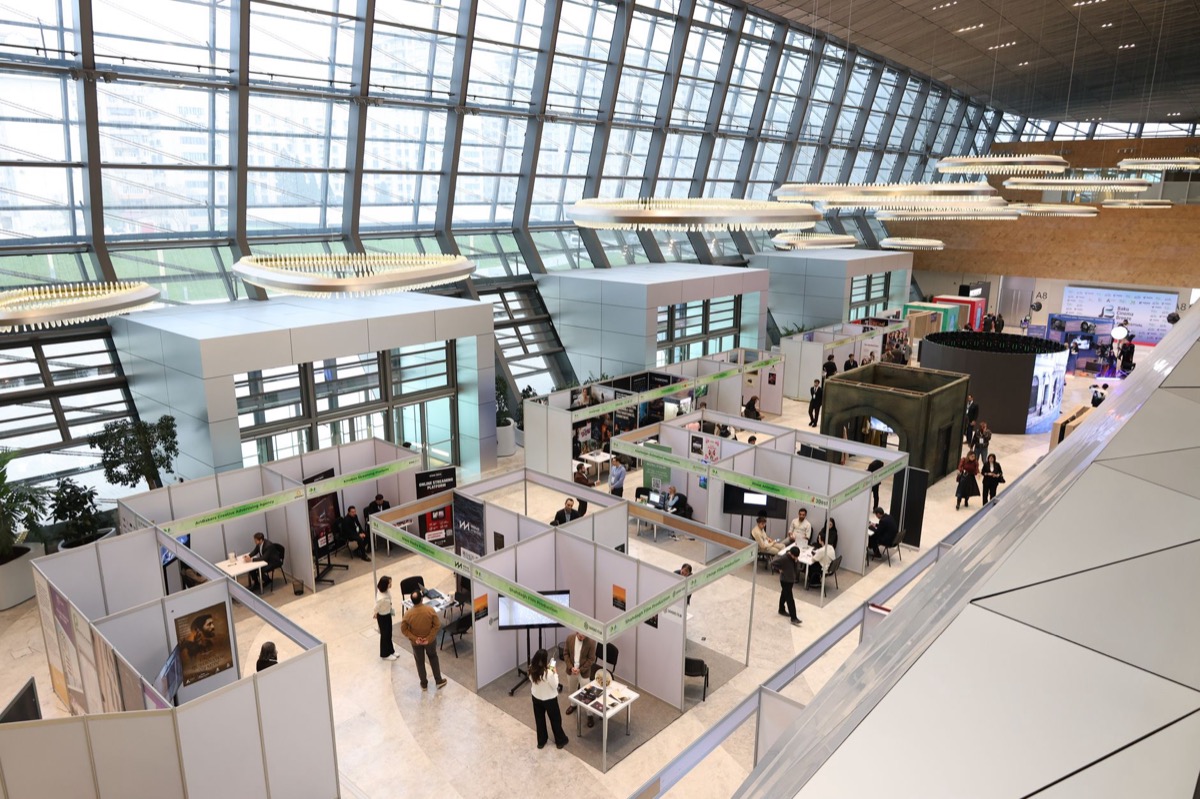
- The rest of 2026 into 2027 is a dense run of wholesale-relevant shows: GSMx Miami, All Wireless and Prepaid Expo, IFA Berlin, the Hong Kong October week, the European Broker Meeting, GITEX Dubai, then CES and MWC in early 2027.
- Hong Kong in October is the single highest-value week of the year for Asia sourcing, three overlapping shows plus factory visits in one trip.
- Trade shows are network-building events, not product-buying events, planning meetings in advance matters more than walking the floor.
- Buyer-side and seller-side strategies for each show are different; the same booth is approached differently depending on your role.
- Budget realistically: a single major show typically costs $4,000 to $15,000 fully loaded.
Why do trade shows still matter in B2B wholesale?
In an industry that conducts most transactions over WhatsApp and B2B platforms, the persistence of trade shows might seem anachronistic. They aren't. Trade shows serve three functions that no online channel replicates well: face-to-face supplier verification (the difference between “legitimate-looking website” and “real warehouse, real staff, real product”), high-density relationship building across geography, and price benchmarking through informal conversation. The actual product launches and announcements are increasingly secondary to the side-meetings happening in nearby hotel lobbies.
For wholesale electronics traders specifically, trade shows accelerate trust-building that would otherwise take years of remote dealing. A 30-minute coffee meeting with a Hong Kong supplier you've been buying from for two years often unlocks better pricing and terms than the previous 24 months of email communication.
Trading this stock yourself? Aikon is a live floor for wholesale electronics: registered companies post buy and sell offers and deal with each other directly. Join free.
The 2026 to 2027 wholesale trade-show calendar
This is the working calendar for the rest of 2026 into 2027, ordered by date. Where we have published a full Aikon guide to a show, the name links to it, walking through who attends, how to register, and where the useful sourcing conversations happen. Aikon is not the organiser of any of these events; the guides are neutral briefings for traders planning their year.
| Show | Location | Dates | Best for |
|---|---|---|---|
| GSMx Miami | Miami, USA | 21 to 23 July 2026 | Global mobile dealers, US and Latin America sourcing floor |
| All Wireless and Prepaid Expo | Las Vegas, USA | 18 to 19 August 2026 | US prepaid and wireless dealer channel, accessories |
| IFA Berlin | Berlin, Germany | 4 to 8 September 2026 | European buyer market, consumer electronics breadth, B2B sourcing floor. See also the co-located IFA Circular Tech track |
| HKTDC Hong Kong Electronics Fair (Autumn) | Hong Kong | 13 to 16 October 2026 | One of the world's largest electronics fairs, breadth of Asian suppliers |
| Global Sources, Consumer and Mobile Electronics | Hong Kong | October 2026 | Asia-Pacific mobile and accessories sourcing, verified suppliers |
| European Broker Meeting | Vilamoura, Portugal | 21 to 23 October 2026 | European broker and trader network, closed-room deal-making |
| GITEX Global | Dubai, UAE | 7 to 11 December 2026 | Middle East and Africa sourcing, cross-border trade |
| CES | Las Vegas, USA | 6 to 9 January 2027 | Brand and OEM meetings, North America buyer network |
| MWC Barcelona | Barcelona, Spain | 1 to 4 March 2027 | Carrier and OEM relationships, mobile-focused buyers and sellers |
| ITAD and Circular Electronics Expo | Frankfurt, Germany | 12 to 13 May 2027 | ITAD, refurbishment, recommerce, and circular electronics buyers |
Already happened this year: earlier in 2026 the calendar ran through the ITC in Malta (Valletta, 9 to 12 June) and GITEX Europe (Berlin, 28 June to 2 July), along with the Global Sources spring show in Hong Kong and Mobile Disrupt in Miami. The guides above stay useful year to year, most of these events return on a similar cadence, so bookmark this page and check back as dates for the next edition are confirmed.
How do I work a trade show as a wholesale buyer?
Buyer-side strategy concentrates on three goals: verifying suppliers you're already considering, discovering new sources, and price benchmarking. Effective preparation matters more than what happens during the show itself.
- Pre-show (3-6 weeks out): Schedule meetings with existing and prospective suppliers. Most serious wholesale conversations happen in pre-booked appointments, not walk-up booth visits. Aim for 6-10 scheduled meetings per day.
- During the show: Visit pre-booked meetings on time. Use floor walks for serendipity but don't depend on them. Attend supplier-hosted dinners and networking events, these are where real conversations happen.
- Post-show (within 5 working days): Send personalised follow-ups with specific next steps to every meaningful contact. The first to follow up usually wins the relationship.
How do I work a trade show as a wholesale seller?
Seller-side strategy is about visibility and relationship-deepening with existing customers:
- If you have a booth: train booth staff on the specific lots/inventory you want to move and the price flexibility you have. Floor pricing should be agreed in advance.
- Without a booth: book private meeting space at a nearby hotel and host scheduled buyer meetings. This is much cheaper than a booth and often more productive for B2B wholesale.
- Host a dinner or hospitality event for your top 10-15 buyers. The cost ($3,000 to $8,000 typical) is small relative to relationship value.
- Use the show to introduce buyers to other reliable buyers in your network, reciprocal introductions strengthen your position.
The Hong Kong October week advantage
October in Hong Kong stacks three overlapping events into a single trip: the Global Sources consumer and mobile electronics shows, the HKTDC Hong Kong Electronics Fair (Autumn Edition), and the surrounding AsiaWorld-Expo activity, plus an entire ecosystem of supplier visits to Shenzhen and Dongguan factories. A well-planned Hong Kong trip combines all of these into 5 to 7 days that would otherwise require multiple separate journeys. For traders sourcing from Asia, this is the single highest-ROI travel of the year.
What does it cost to attend a trade show as a wholesale trader?
A realistic budget for a major show as an attendee (no booth):
- Flight: $800 to $3,000 depending on origin and class
- Hotel: $200 to $500 per night for 3-5 nights ($600 to $2,500)
- Show registration: $100 to $1,200 depending on access tier
- Meals and entertainment: $100 to $300 per day
- Hospitality (buyer dinners, etc.): $1,000 to $5,000
- Misc (transport, ground logistics): $300 to $800
Total: $4,000 to $15,000 per show fully loaded. With a booth, add $15,000 to $80,000 depending on size and location. Most wholesale traders attend 2-4 shows per year, usually 1 in their home region plus 1-3 international.
Are virtual trade shows a viable substitute?
Mostly no. Several major shows offer virtual passes (especially since 2020) but the wholesale-specific value, physical product inspection, in-person trust building, side-meeting density, doesn't translate. Virtual access works for product announcements and conference content but not for the relationship-building that makes shows worthwhile in B2B wholesale.
The one exception: virtual access is genuinely useful as a screening tool for shows you might attend in future years, letting you evaluate which of the ~30 industry events deliver returns relevant to your specific operation.