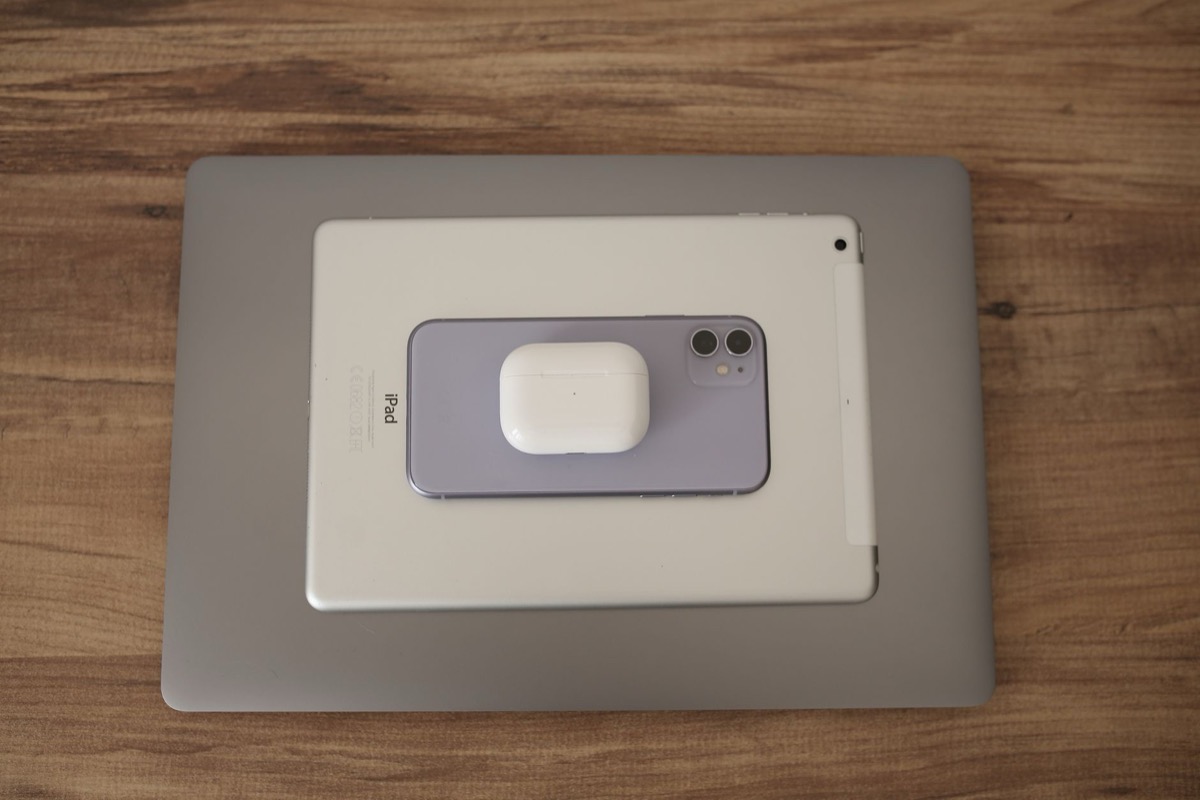
- Apple iPads dominate B2B tablet volume globally, followed by Samsung Galaxy Tab and a long tail of Android.
- MDM/DEP enrolment (iPad) and Samsung Knox lock are the biggest hidden risks in tablet wholesale, verify before purchase.
- WiFi-only stock is 65-75% of global wholesale volume; LTE/cellular adds 15-25% to price.
- Amazon Fire tablets trade at materially lower margins than iPad or Samsung but have niche export demand.
- Tablet grading has unique considerations beyond phones: digitizer integrity, S Pen status, smart connector, and battery swelling.
How is the wholesale tablet market structured?
Wholesale tablet trading splits into four distinct sub-markets, each with its own pricing dynamics, supplier ecosystem, and end-buyer pool.
- Apple iPad, the dominant segment globally. Largest unit volume, highest per-unit value, deepest buyer pool. iPad Pro, Air, mini, and entry-level all trade in their own micro-markets.
- Samsung Galaxy Tab, the second-largest segment. Premium S-series flagships, A-series mid-range, and education-focused models like Galaxy Tab Active. Samsung Knox creates additional verification requirements not present on Apple.
- Amazon Fire, cheap to wholesale, low margin, but high volume in specific export markets. The Fire ecosystem locks them into Amazon services unless rooted, limiting their resale value in markets that prefer Google Play.
- Other Android, Lenovo, Xiaomi, Huawei MatePad, OnePlus Pad, lesser brands. Fragmented market, generally lower margin, regional demand patterns.
How do I grade tablets for wholesale?
Tablet grading uses the standard A/B/C/D framework but adds tablet-specific considerations:
- Digitizer integrity. Test every quadrant of the screen with a finger or capacitive stylus. Tablets are dropped less often than phones but are more vulnerable to pressure damage when stacked or stored incorrectly. Deadspots are surprisingly common.
- Stylus compatibility. For iPad: test Apple Pencil pairing on every unit (1st gen via Lightning, 2nd gen via magnetic strip, 3rd gen via USB-C). For Samsung S-series: test S Pen pairing and Bluetooth handshake.
- Smart connector / keyboard pins. iPad Pro and Air, Samsung Galaxy Tab S series. Inspect for corrosion, bent pins, dirt blocking contact.
- Battery swelling. Lay every tablet flat on a surface; if it rocks, the battery has swollen. This is more common on tablets than phones because tablets sit unused for longer periods between charges.
- Speaker count and balance. Many tablets have 2-4 speakers; one failed speaker can be invisible until tested. Play stereo audio on every unit.
- Camera and FaceID/biometric. Tablets are used less for photography but the cameras are still expected to work. FaceID/biometric calibration must function for the device to unlock without passcode reset.
Trading this stock yourself? Aikon is a live floor for wholesale electronics: registered companies post buy and sell offers and deal with each other directly. Join free.
What are the lock and enrolment risks specific to tablets?
Three lock types dominate tablet wholesale risk:
- iCloud Activation Lock (iPad). Same as iPhone, if Find My is enabled when stock leaves the prior owner, only their Apple ID password can reactivate. iCloud-locked iPads trade at parts value.
- DEP / MDM enrolment (iPad). Apple Device Enrolment Program. Even after factory reset, DEP-enrolled iPads check in with the institution's MDM server on first activation and re-apply restrictions. Cannot be removed by anyone except the institution.
- Samsung Knox enrolment. Samsung's equivalent to DEP for Galaxy devices. Knox-enrolled tablets show enrolment screens after reset and cannot be deregistered without the original organisation's Knox account. This is increasingly common on education and enterprise stock.
Always verify lock status before purchase. For iPads, run Apple GSX serial check or factory-reset a sample. For Samsung, boot the unit through Knox setup screens to verify it's not enrolled. Suppliers offering “DEP removal” or “Knox removal” services are almost always selling fraud.
The education-tablet trap
Education-deployed tablets (school-issued iPads and Galaxy Tabs) flood the wholesale market every 4-5 years as districts refresh. Volumes are huge and prices look attractive, but DEP/Knox enrolment rates run 70-90% in this stock. A lot priced 30% below market for “education iPads” is almost always 70%+ MDM-locked. Always demand pre-tested, MDM-cleared lots and pay the premium. Never buy unverified education stock at “too good to be true” prices.
What are the typical wholesale tablet price benchmarks?
| Tablet | Storage | Wholesale Grade B (WiFi) |
|---|---|---|
| iPad Pro 12.9″ (5th gen) | 128GB | $540$680 |
| iPad Pro 11″ (3rd gen) | 128GB | $430$540 |
| iPad Air 5 | 64GB | $340$420 |
| iPad (10th gen) | 64GB | $220$280 |
| iPad mini 6 | 64GB | $280$360 |
| Samsung Galaxy Tab S9 Ultra | 256GB | $610$760 |
| Samsung Galaxy Tab S9 | 128GB | $380$480 |
| Samsung Galaxy Tab S8 | 128GB | $280$360 |
| Samsung Galaxy Tab A8 | 32GB | $80$120 |
| Amazon Fire HD 10 (2023) | 32GB | $45$70 |
| Lenovo Tab P11 Pro | 128GB | $160$220 |
Cellular variants typically add 15-25% to these prices. Boxed lots add another 5-15%. iCloud-clean and Knox-clean are baseline assumptions; locked stock trades at parts-tier discounts.
Where do wholesale tablets come from?
Tablet supply mirrors the broader used electronics market with two tablet-specific characteristics:
- Education refresh cycles are disproportionately important for tablet supply. School district contracts run 4-5 years, and refresh triggers release thousands of units at once. Major districts run formal procurement processes that wholesalers can bid into.
- Enterprise leasing returns generate clean, manifested stock. Tablets used as field-service devices (logistics, healthcare, retail) come back through specialised ITAD companies (CSI Leasing, Robins, Wisetek) at lease end.
Beyond these specialised channels, the same sources apply as for phones: carrier returns (cellular tablets), retail RMA aggregators (B-Stock, Direct Liquidation), refurbisher surplus, and peer-to-peer wholesale platforms.
How is Samsung tablet wholesale different from iPad wholesale?
Three structural differences worth understanding:
- Volume is 25-35% of iPad wholesale globally. Demand exists but is thinner, meaning longer time-to-sale.
- Knox enrolment is the dominant lock concern rather than iCloud. Verification methods differ, you boot through Knox setup rather than checking activation lock.
- Pricing is more model-fragmented. Galaxy Tab S series flagships hold value better than iPad equivalents on percentage basis (Apple commands brand premium); Galaxy Tab A mid-range carries lower margins than iPad equivalents.
Most wholesale traders who do significant Samsung tablet volume specialise, the verification workflow and buyer network differ enough from iPad that part-time engagement rarely produces good unit economics.
How should schools and businesses buy tablets in bulk?
Organization buyers approach the wholesale tablet market from the opposite direction to traders. A school district or a business is not buying to resell; it is buying to deploy, so the priorities shift to fleet consistency, manageability, warranty coverage, and total cost of ownership rather than resale spread. That changes which lots make sense.
- Fleet uniformity beats per-unit price. A mixed lot of three iPad generations is cheap but expensive to support. Buyers deploying to classrooms or field teams should prioritise a single model and storage tier across the whole order, even at a small premium, so imaging, cases, and repair stock stay standard.
- Device management is the deciding spec. For iPad, confirm units are clean of prior MDM enrolment and eligible for Apple School Manager or Apple Business Manager (Automated Device Enrollment). For Samsung, confirm no residual Knox enrolment and that the model supports Knox Manage or your chosen EMM. A cheap lot that cannot be enrolled in your management platform is not a saving.
- Grade to the use case. Student and warehouse fleets tolerate Grade B cosmetics inside rugged cases, so paying a Grade A premium is often wasted. Customer-facing or executive devices justify Grade A or CPO. Match the grade to where the device lives.
- Buy through channels that invoice a business. Institutions usually need a formal invoice, a defined fault-return arrangement agreed with the supplier, and a paper trail for procurement. That favours established suppliers over one-off auction lots.
Because the buying logic is different enough to warrant its own playbook, we cover procurement routes, enrolment checks, budgeting, and volume expectations in a dedicated guide: buying tablets in bulk for schools and businesses.