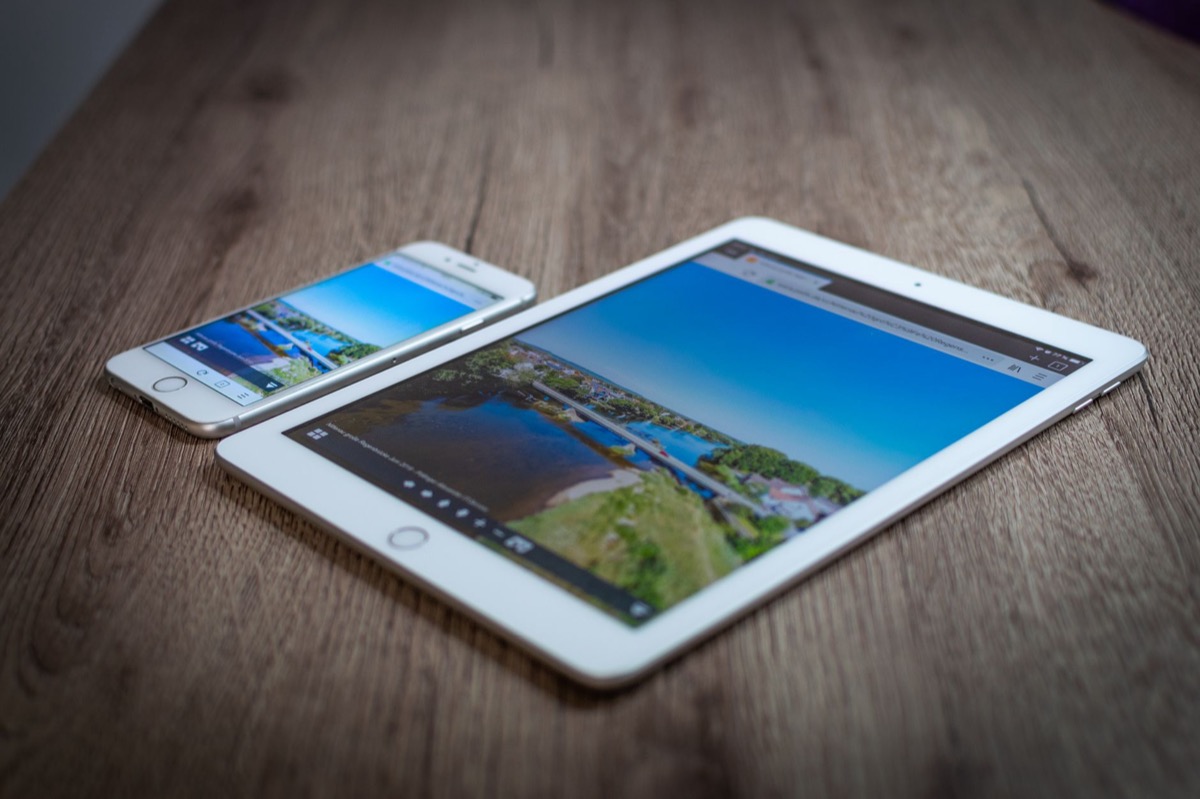
- iPads hold value better than equivalent iPhones, a 4-year-old iPad still trades at 35-45% of new retail.
- WiFi-only models dominate global wholesale volume; cellular models trade at a 15-25% premium.
- Education-deployed iPads are huge volume but require careful MDM and DEP-status checks before purchase.
- iCloud Activation Lock affects iPads exactly like iPhones, lock status is the single biggest pricing factor.
- iPad Pro and iPad Air carry stronger margins than entry-level iPad and iPad mini in B2B trading.
How is the iPad wholesale market structured?
The iPad wholesale market is smaller than the iPhone market in unit volume but comparable in dollar value because per-unit prices are higher and trade-in cycles are longer. Apple has shipped roughly 700 million iPads since 2010, of which an estimated 250-300 million are in active secondary circulation. The wholesale layer handles tens of millions of iPad units per year through carrier returns, education refresh cycles, enterprise leasing, and consumer trade-ins.
Three dynamics make iPads distinctive in B2B trading. First, lifecycle is longer: iPads stay in active use 5-7 years versus 3-4 for iPhones, so older generations remain commercially relevant. Second, the cellular vs WiFi-only split is more extreme, WiFi-only is 70-75% of global volume. Third, education and enterprise deployments inject huge volumes of MDM-enrolled stock with very specific risk profiles.
Which iPad generations matter most in wholesale?
Wholesale trading concentrates on iPads released in the last 6-7 years. Anything older typically trades at parts value only.
| Generation | Model | Typical wholesale Grade B price (WiFi) |
|---|---|---|
| iPad (10th gen, 2022) | A14 | $220$280 |
| iPad (9th gen, 2021) | A13 | $160$210 |
| iPad Air 5 (2022) | M1 | $340$420 |
| iPad Air 4 (2020) | A14 | $240$310 |
| iPad mini 6 (2021) | A15 | $280$360 |
| iPad Pro 12.9″ (5th gen, 2021) | M1 | $540$720 |
| iPad Pro 11″ (3rd gen, 2021) | M1 | $430$580 |
| iPad Pro 11″ (2nd gen, 2020) | A12Z | $310$420 |
Prices are indicative ranges for unlocked, iCloud-clean Grade B stock and move daily. Cellular variants trade 15-25% above WiFi-only equivalents. Higher storage capacities (256GB, 512GB, 1TB) carry meaningful premiums on Pro models but make almost no difference on entry-level iPads.
Trading this stock yourself? Aikon is a live floor for wholesale electronics: registered companies post buy and sell offers and deal with each other directly. Join free.
How is iPad grading different from iPhone grading?
iPad grading uses the same A/B/C convention as iPhones but has three iPad-specific considerations. First, the larger screen makes scratches and pressure marks more visible, what would pass as Grade B on a 6.1" iPhone often grades as B/C on an 11" iPad. Second, the digitizer is thinner on newer iPads (especially Pro models) and is prone to deadspots from drops; testing every quadrant of the screen is essential. Third, the keyboard connector pins on Pro and Air models can corrode or bend, grading should explicitly note Smart Connector status.
Apple Pencil compatibility is another grading point. iPads sold with original Apple Pencil pairing logged often command a small premium because end buyers value the verified compatibility. Note also that 2nd-gen Apple Pencil only works on iPads with magnetic charging strips, and damage to that area can disable the feature entirely.
How does iCloud Activation Lock affect iPad wholesale?
Activation Lock works identically on iPads and iPhones, if “Find My” is enabled when the device leaves the prior owner, only their Apple ID password can reactivate it. iCloud-locked iPads are functionally bricked and trade at parts value (typically 10-15% of clean equivalents).
Always verify iCloud status before purchase using Apple's Activation Lock Status check (which has been intermittently available) or by physically powering on a sample. Sellers offering “iCloud locked” iPads sometimes promise removal services, almost all such services are scams, and the tiny number of legitimate carrier-only unlock paths don't apply to iPads anyway.
The MDM trap on education iPads
Education-deployed iPads are usually enrolled in Apple's Device Enrolment Program (DEP) and managed by an MDM solution (Jamf, Mosyle, Cisco Meraki). Even after factory reset, the iPad will check in with the institution's MDM server on first activation and re-apply restrictions. DEP-enrolled iPads cannot be removed from the institution's account by anyone except the institution. Always check DEP/MDM status before purchasing former-education iPads, running an Apple GSX serial check or asking the seller to wipe one sample on camera is the only reliable way.
Where do wholesale iPads come from?
Five primary sources feed B2B iPad supply:
- Carrier trade-in / buyback programmes for cellular iPads (Verizon, AT&T, EE, Vodafone). Volume is smaller than for iPhones because cellular iPad penetration is lower.
- Apple direct trade-in through the Apple Reuse and Recycling Programme, these devices are processed by Apple's authorised recyclers and a portion enters wholesale through pre-arranged channels.
- Education refresh cycles, school districts replace iPad fleets every 4-5 years on average, generating massive volumes of like-condition stock. Major districts run procurement bids that wholesalers can participate in.
- Enterprise leasing returns, companies like CSI Leasing, El Camino Group, and major banks lease iPad fleets and recover stock at lease end. This is high-quality, manifested stock typically auctioned to specialist B2B buyers.
- Retail returns, Apple Store returns, Best Buy, and global retail chains contribute steady but smaller volume.
What pricing benchmarks should I track for iPad wholesale?
For iPad wholesale pricing, track three reference points daily: consumer refurbished marketplace prices for the consumer-facing benchmark; Aikon and other B2B platform listings for the wholesale-tier benchmark; and Apple's own trade-in offer table for the “institutional collector” price floor. iPads typically trade in wholesale at 30-45% of new retail and 60-75% of consumer-refurb retail, depending on age and grade.
Watch for price step-changes around new iPad announcements (typically March or October). The 6-8 weeks following a new release see meaningful drops in the previous generation's wholesale price as supply increases through the trade-in stream. Buying just before a new release announcement is usually a mistake.
How do I sell iPads in bulk profitably?
The most profitable iPad bulk sales happen in three channels: regional retail buyers (small refurb chains in Latin America, Africa, South-East Asia), education resellers (specialists who bid on district refresh contracts and need stock), and corporate IT distributors. Each requires different sales motions but all share one trait: relationship-driven, not platform-driven.
Pure marketplace listing (eBay and similar consumer platforms) is viable for smaller volumes but comes with significant fees and platform risk. For lots above 50 units, B2B platforms and direct buyer relationships almost always net more.