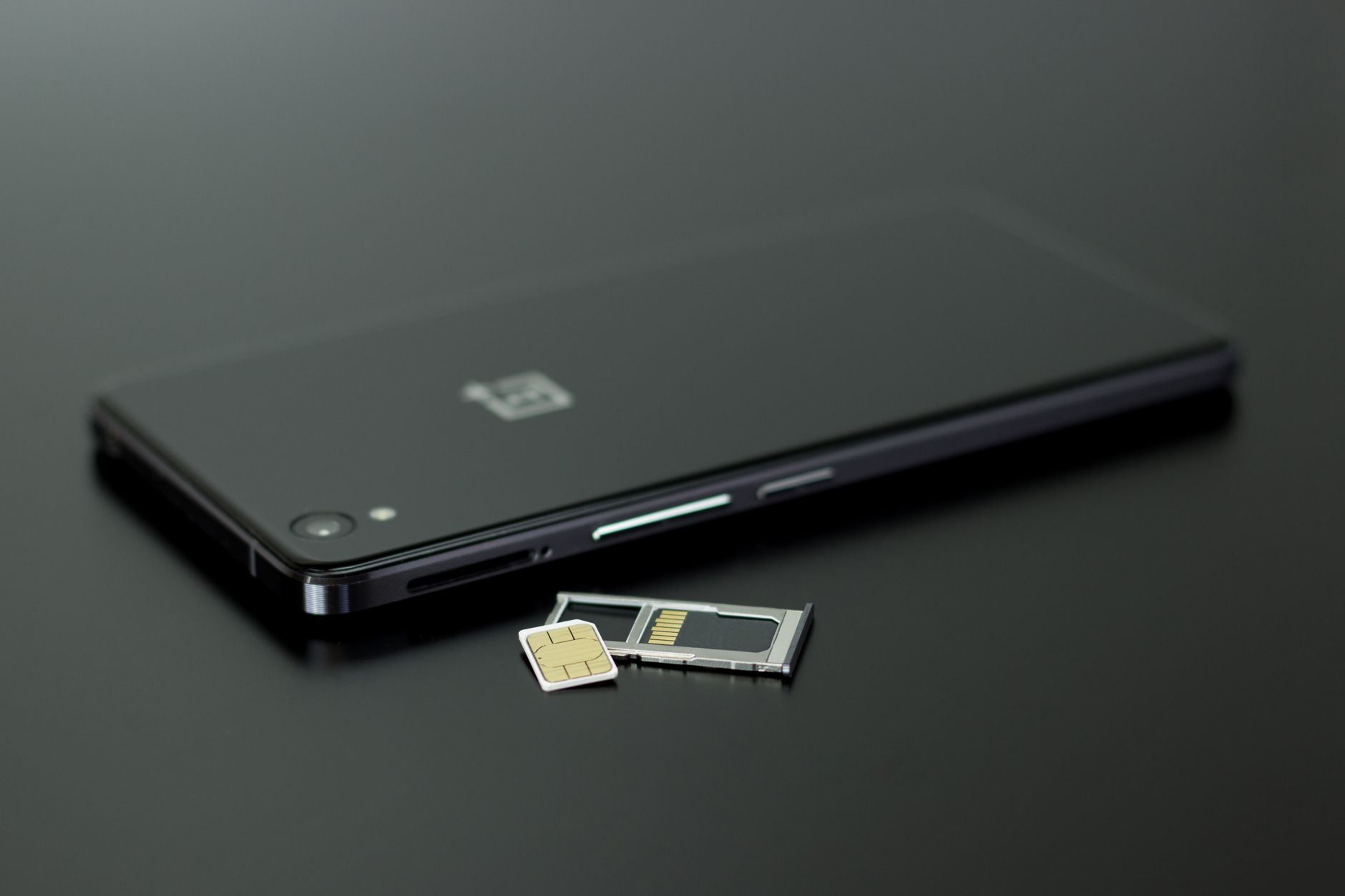
- US iPhones have been eSIM-only, with no physical SIM tray, since the iPhone 14.
- The iPhone Air is eSIM-only in every market worldwide, the first iPhone with no SIM tray anywhere.
- Many non-US iPhone 14 to 17 models kept a physical nano-SIM tray alongside eSIM.
- eSIM-only US stock and dual-SIM regional stock are not interchangeable, which fragments demand by region.
- Decoding model numbers in bulk intake is how a wholesaler sorts a mixed batch before listing.
The short answer
An eSIM-only iPhone has no physical SIM tray, so it connects to a network through a digitally provisioned embedded SIM instead of a removable card. In the United States, every iPhone since the iPhone 14 is eSIM-only, and the iPhone Air is eSIM-only worldwide. For the used trade, that means a US model and a same-generation model from a SIM-tray market are different products, and they sell into different regions at different prices.
This is a sourcing and matching problem as much as a technical one. A wholesaler moving used iPhones across borders now has to know, for every unit, whether it is an eSIM-only US variant or a regional model with a tray, because buyers in different markets want different things. Get the region wrong and a lot that looked liquid can sit unsold, or come straight back. Understanding the split is the difference between a clean deal and a mismatch.
eSIM versus physical SIM, briefly
A physical SIM is the small removable chip you slot into a phone. An eSIM is a SIM built into the device that is loaded with a carrier profile digitally, with nothing to insert or swap.
Both do the same job of connecting a phone to a mobile network. The difference is how you provision and change service. With a physical SIM you pop in a card; with an eSIM you scan a QR code or activate through a carrier app, and the profile lives on the phone. Our eSIM glossary entry covers the technology in more depth. That provisioning difference is small for a consumer with one phone, but for a wholesaler handling hundreds of used units it changes how devices are tested, how carrier status is checked, and which buyers a lot suits.
Which iPhone models are eSIM-only
The eSIM-only shift started in the US with the iPhone 14 and, as of mid-2026, has widened but not gone fully global for the standard models. The iPhone Air is the exception that dropped the tray everywhere.
Since the iPhone 14, all US iPhone models have shipped eSIM-only with no physical SIM tray, and that has continued through the iPhone 17, 17 Pro, and 17 Pro Max, and the iPhone 17e released in 2026, all eSIM-only in the US. The iPhone Air, released in 2025, went further: it is eSIM-only in every market worldwide, making it the first iPhone with no SIM tray anywhere. Elsewhere, most iPhone 14 through 17 models kept a physical nano-SIM tray alongside eSIM. Reporting on the iPhone 17 line notes that eSIM-only variants extend beyond the US to a set of markets that includes Canada, Japan, Mexico, several Gulf states, and others, while European models of the iPhone 17, 17 Pro, and 17 Pro Max retained one nano-SIM tray in a hybrid configuration. These details are model and market specific and can change with each generation, so treat the table below as a summary to verify against the model number in hand rather than a fixed rule.
| Model and market | Physical SIM tray | eSIM |
|---|---|---|
| US iPhone 14 and later | No | Yes (eSIM-only) |
| iPhone Air (all markets) | No | Yes (eSIM-only) |
| Europe iPhone 17 line | Yes (one nano-SIM) | Yes (hybrid) |
| Most non-US iPhone 14 to 17 | Yes (varies by market) | Yes |
Source for the model and market details: reporting compiled by Saily and Jetpac. Because Apple sets this per model and region and revises it each cycle, always confirm against the actual unit.
Trading this stock yourself? Aikon is a live floor for wholesale electronics: registered companies post buy and sell offers and deal with each other directly. Join free.
Why it matters for wholesale: regional fragmentation
The eSIM shift split same-generation iPhones into two products that are not interchangeable. A US eSIM-only iPhone 16 and a dual-SIM iPhone 16 from a tray market look identical but serve different buyers.
For a wholesaler, that fragmentation is the whole story. US stock is abundant and often keenly priced, but it is eSIM-only, so it fits markets and buyers comfortable with digital provisioning. Dual-SIM regional models command demand in markets where users expect a tray, and they cannot be substituted with US units. A lot advertised simply as iPhone 16 tells a buyer far less than it used to, because the region now determines whether the phone even has a SIM tray. This is why region has moved from a footnote to a headline specification in used-iPhone offers, and why mixing regions in an unlabeled batch is a recipe for disputes.
eSIM, carrier locks, and unlocking workflows
eSIM does not change whether a phone is carrier-locked, but it does change how you verify and work around lock status, because there is no tray to swap a test SIM into.
Carrier lock status is independent of the SIM format: a US eSIM-only iPhone can still be locked to the carrier it was sold through. What changes is the checking workflow. With a physical SIM you could drop in another carrier's card to see if the phone accepted it; on an eSIM-only device you verify status through the phone's settings and its activation behavior instead, since there is no card to insert. In bulk intake, that pushes wholesalers toward checking carrier and lock status from device information and IMEI-based checks rather than a quick SIM swap. The underlying distinction between a carrier lock, a network lock, and a blacklist is unchanged, and our guide to carrier-locked versus network-locked versus blacklisted devices covers it in full. The takeaway is procedural: eSIM-only stock needs a testing process that does not rely on swapping physical SIMs.
Demand in emerging markets
In many emerging markets, swapping physical prepaid SIMs is the everyday norm, and eSIM support from local carriers can be uneven. That shapes where eSIM-only stock sells well and where it struggles.
Where buyers routinely move a physical SIM between phones, top up prepaid cards in person, or rely on carriers that do not fully support eSIM activation, an eSIM-only US iPhone is a harder sell than a dual-SIM regional model, and that shows up in relative demand and price. Where local networks support eSIM cleanly, the friction shrinks. This is a demand pattern to read market by market rather than a universal rule, and it is exactly why the same eSIM-only lot can be liquid in one destination and slow in another. A wholesaler who knows their buyers' markets prices and routes eSIM-only stock accordingly instead of treating all iPhone inventory as one pool.
Checking eSIM status and region in bulk intake
At intake, the job is to sort a mixed batch by region and SIM configuration quickly, before anything is listed. The model number is the key.
- Decode the model number. The model number found in Settings under General and About, and printed on the box, encodes the region and market variant, which tells you whether a unit is a US eSIM-only model or a tray model. Our iPhone part number decoder turns that code into a plain-language region at speed.
- Confirm SIM hardware. Cross-check the decoded region against whether the unit physically has a tray, since that is the split that matters to buyers.
- Check carrier and lock status. Verify lock status through device information and IMEI checks rather than a SIM swap, especially on eSIM-only units.
- Sort and label by region. Separate eSIM-only US stock from dual-SIM regional stock so each lot is offered to the buyers it actually suits.
What buyers should specify in offers
Because region now determines the SIM configuration, the cleanest way to avoid a mismatch is to specify it up front. A used-iPhone offer that names the region leaves far less room for a costly return.
Buyers should state the model number region or market they need, whether they require dual-SIM or will accept eSIM-only units, and the expected unlock and carrier status. Sellers should label lots the same way rather than leaving region implied. This is the same discipline that applies to grade and quantity: the more precisely a lot is described, the fewer disputes it produces. If you are new to reading these terms, our guide on how to buy iPhones wholesale walks through what a good offer states, and the used iPhone depreciation outlook for 2026 covers how region and configuration feed into resale value. The glossary entry on R-SIM is worth knowing too, since unlock methods come up whenever carrier status does.
eSIM-only iPhones are not a problem to be solved so much as a variable to be tracked. The traders who handle them well are simply the ones who treat region as a first-class specification, sort stock accordingly at intake, and tell buyers exactly what they are getting.