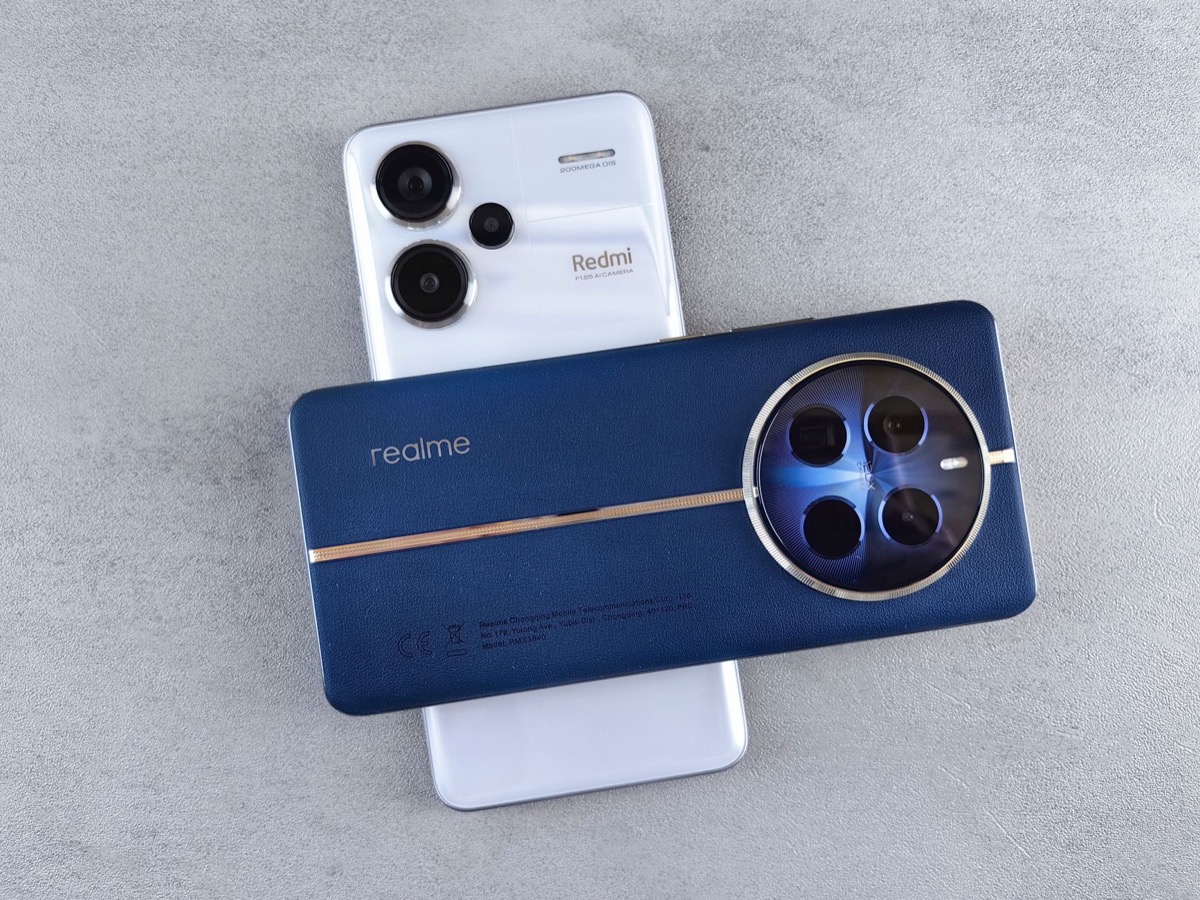
Android wholesale is a trader's market
Apple's wholesale trade is tightly controlled. One OEM, narrow allocation, structured authorised distribution. Android is the opposite. A dozen major OEMs, regional spec variations across EU, US, GCC, LATAM, APAC and India, factory-direct supply lines from Shenzhen, and an active secondary trade in carrier-locked stock, used inventory and end-of-life SKUs. The result: more flexibility, more counterparty options, more margin opportunities for the wholesaler who knows the market.
This post is for wholesale traders moving Android volume between each other. Not buyers sourcing from manufacturers, not retailers looking for catalogue stock. The traders working 200 to 5,000-unit lots between Hong Kong, Dubai, Miami, Singapore, Mumbai, Istanbul and Lagos, and the platforms they're using to find each other in 2026.
The Android wholesale trader landscape
The OEM mix that actually moves volume in trader-to-trader Android wholesale:
- Samsung. The flagship of Android wholesale trade. Galaxy S, A, M, and Z fold/flip series move in volumes nothing else matches. Active secondary market across every region.
- Xiaomi (Redmi, POCO). Volume leader in many emerging markets. Strong secondary trade out of HK, Dubai and India hubs.
- Motorola (Lenovo). The MVNO and US prepaid darling. Moto G and E series in particular. High secondary-trade liquidity in the Americas.
- Realme, Honor, OnePlus, Vivo, OPPO. Growing share in EMEA and APAC. Specific models (OnePlus Nord, Honor Magic, Realme GT) have active trader markets.
- Nothing, Google Pixel, Sony. Smaller volume, premium positioning. Trader markets are narrower and broker-led.
- Tecno, Infinix, Itel (Transsion). Africa-dominant. Specific regional trading hubs in Dubai and Lagos.
How Android wholesale traders find each other
WhatsApp trader groups
Still the volume leader for trader-to-trader Android deal flow. Every regional hub has its dense network of groups. Strengths: real-time, ambient awareness, immediate contact. Weaknesses: scale problems past the first fifteen or twenty groups, no offer history per trader, no structured filtering, no company verification.
Trade shows and broker introductions
CES, MWC, HKTDC, IFA. The relationship layer underneath everything else. Most established trader-to-trader relationships were seeded at a show and now run on WhatsApp.
Aikon's New Phones and Used Phones categories
The verified-company trading feed is one of the more active places for Android wholesale movement in 2026. Filter by category, type, stock location and posting company revenue band. Verified-company gating means the counterparty risk is filtered down before you reach out. Public offers carry direct WhatsApp contact for fast closing; private offers route through in-app messaging until selective identity reveal.
Trading this stock yourself? Aikon is a live floor for wholesale electronics: registered companies post buy and sell offers and deal with each other directly. Join free.
Regional trading patterns
| Region | Primary trade flows | Common stock origin | Most active categories |
|---|---|---|---|
| USA / North America | Carrier returns, MVNO surplus, retail B-stock | US-spec, often carrier-locked | Samsung A, Motorola G/E, OnePlus, Pixel |
| EU | Retail returns, allocation flow, refurb | EU-spec, mostly unlocked | Samsung, Xiaomi, Honor, Nothing |
| GCC / Middle East | Re-export hub, regional arbitrage | Mixed EU/Asia-spec, Arabic firmware variants | Samsung, Xiaomi, Realme |
| LATAM | US re-export, regional distribution surplus | US-spec and Latin-spec mix | Motorola, Samsung A, Xiaomi |
| APAC ex-China | HK/Singapore re-export, parallel imports | Asian-spec, occasional domestic variants | Samsung, OPPO, Vivo, Xiaomi |
| Africa | Dubai re-export, Transsion direct | Africa-spec where available | Tecno, Infinix, Samsung A |
| India | Domestic surplus, parallel imports | India-spec | Xiaomi, Samsung, Realme, Motorola |
What every Android wholesale trade requires verifying
- Regional spec match. US-spec to a European buyer is unsalable due to band differences. Confirm spec variant matches the resale market. EU/GLOBAL/LATAM/INTL specs are not interchangeable.
- Lock status. Carrier-locked, network-locked, or unlocked? Locked stock commands a discount and limits resale options. Be explicit on the offer.
- Firmware origin. Standard OEM firmware vs custom carrier ROM vs region-locked firmware. Some firmware variants block apps or features in other regions.
- Knox / FRP / Activation status for used or returned stock. Same logic as iPhone Activation Lock; a Knox-enrolled or FRP-locked Android is unsalable in most resale markets.
- Charger and accessories. EU sellers since 2024 ship without chargers. Resale buyers need to know in advance.
- Warranty status. OEM warranty is regional. Stock outside the original sale region may carry no warranty support. Critical disclosure for retail-bound resale.
Common trader-to-trader Android scenarios
Cross-region arbitrage
EU-spec Galaxy A54 trades at one price band in Eastern Europe. The same SKU commands a higher street price in GCC retail. A trader with EU stock posts a sell offer on Aikon; a Dubai-based trader who supplies GCC retailers replies, deal closes inside two weeks. The arbitrage is constrained by warranty regions and firmware language packs, but real for traders who understand the regional landscape.
Allocation pressure in tight markets
Galaxy S25 Ultra is allocation-constrained for the trader's home region. Posting publicly would broadcast the buying interest to every regional competitor. The trader posts privately on Aikon for the SKU and quantity, with stock-location preference. Sellers in regions where allocation is looser surface secondary inventory; identity revealed selectively to the cleanest counterparty.
Surplus liquidation
A regional electronics chain has 600 returned Galaxy A54s at Grade B. Reselling to consumers as refurbished hurts the chain's brand. Wholesale to retail markets in LATAM matches the inventory. The chain posts privately on Aikon with stock location, grade, quantity. Refurbisher buyers respond; identity revealed only to the chosen counterparty.
End-of-life specialist sourcing
A trader needs end-of-life Galaxy J series for a fleet contract. The SKU is discontinued. Distributors no longer carry it. Posting a buy offer in Used Phones or Others surfaces companies with regional warehouse stock within a working week.
Where Aikon fits in an Android trader's stack
What it adds
Structured discovery beyond the trader's existing WhatsApp network. Stock-location filtering at country level. Counterparty pre-vetting through company profiles with offer history and badges (Mobi Hub, Importado where applicable). Patent-pending private posting for sensitive deals. Closed-network gating that reduces counterparty risk.
What it does not replace
Established WhatsApp relationships with trusted counterparties. Trade-show seeded relationships. Distributor and OEM relationships for catalogue backbone supply. Existing broker contacts. Aikon is the structured layer alongside, not a replacement.
Building a sustainable Android wholesale trading book
The traders who do this well over years are not the ones with the cheapest one-off deals. They are the ones who build a portfolio of reliable counterparties, layered across:
- A core of 5 to 10 long-term WhatsApp trader relationships, seeded at trade shows, deepened over multiple clean deals.
- A growing list of platform-discovered counterparties in geographies the trader did not previously cover, qualified through offer history and verified-company gating.
- One or two B-stock or refurb channels for graded inventory.
- A clean trader profile of their own that other traders can vet, with offer history and (where applicable) industry badges visible.
The compounding works in both directions. The platform discovers new counterparties for the trader; the trader's own offer history attracts new counterparties looking for someone with that exact stock pattern. Over a year or two, the platform-side network can rival the WhatsApp-side network in size and quality.